Backend
Django and Django Ninja services for business rules, validation, workflow behavior, and API delivery.
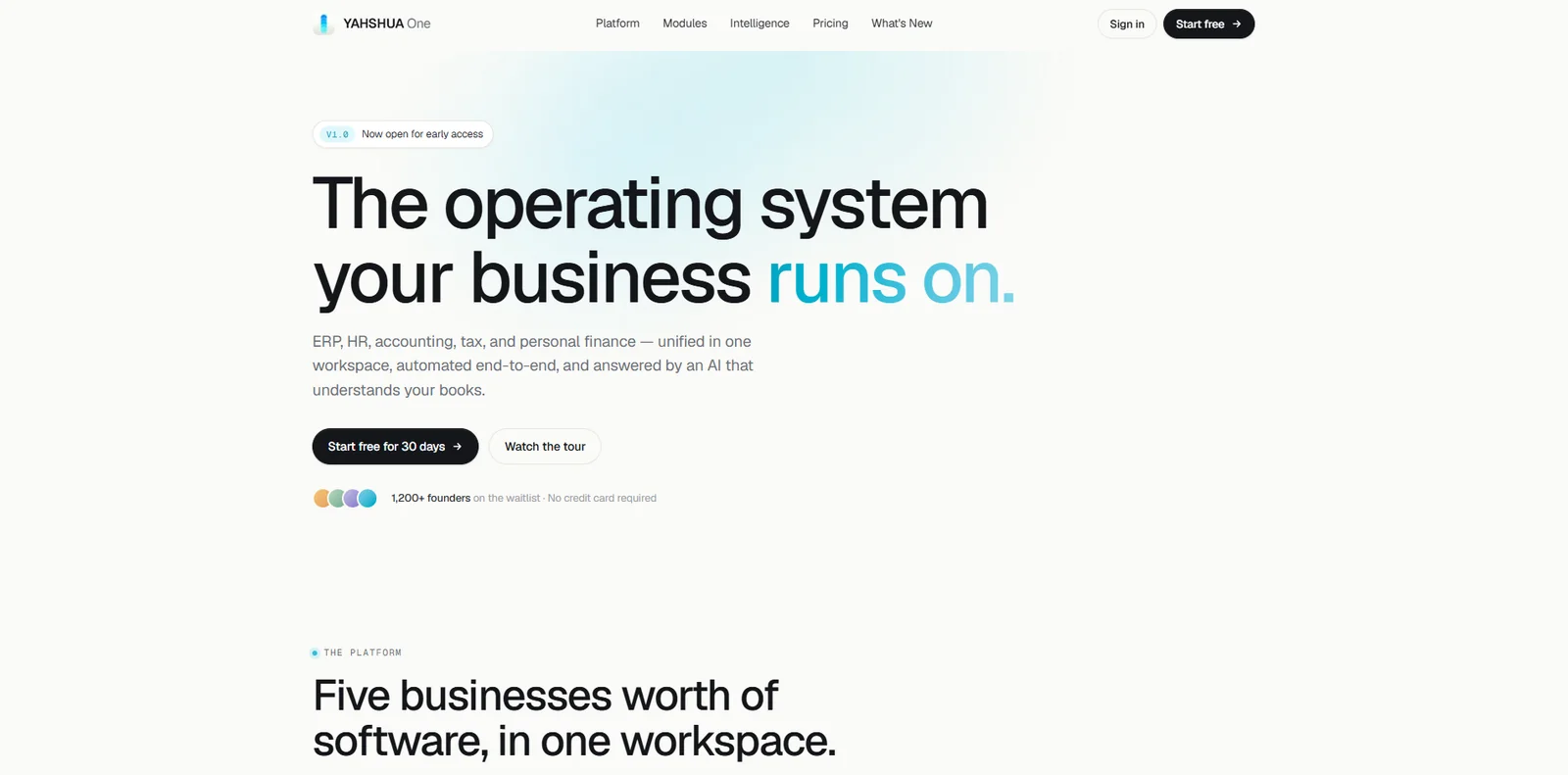
Ongoing engineering contribution to a business-critical payroll and HRIS platform spanning backend services, legacy interfaces, databases, background jobs, and client-specific workflows.

Context
Payroll and workforce operations connect attendance, scheduling, approvals, pay calculations, employee portals, notifications, and reports. A change in one workflow can affect several others, so production fixes and features require careful tracing across rules and data.
Responsibility
Contributes as part of the YAHSHUA One engineering team. Work includes maintaining and extending backend and frontend behavior, investigating production issues, adding validation, and protecting interconnected workflows. Product ownership and source code remain with the employer.
Constraints
Complex payroll and HRIS rules with client-specific configuration
Legacy AngularJS behavior connected to modern Django API services
Asynchronous jobs and data flows that cross application boundaries
Approach
Trace the affected workflow from interface state through API validation, database behavior, and background processing.
Keep changes narrow, explicit, and compatible with existing client rules.
Validate related scenarios and regression paths before considering the work complete.
Implementation
Django and Django Ninja services for business rules, validation, workflow behavior, and API delivery.
AngularJS maintenance and feature work across payroll, attendance, approvals, scheduling, payslip, and portal flows.
PostgreSQL data flows with Redis-backed Celery processing and object-storage workflows.
Containerized development through Docker and WSL, with regression-aware verification across affected modules.
Operational value
Engineering reflection
Production HRIS work rewards disciplined investigation more than broad rewrites. The safest solution is often the smallest change that fully respects the existing workflow.